
Going into Onimusha: Way of the Sword on the PS5, I had zero prior history with the franchise. Without the weight of nostalgia or twenty-year-old expectations, I went in not quite knowing what to expect, and came away thoroughly impressed. What could have easily felt like an intimidating legacy sequel instead turned out to be a captivating, tightly paced dark-fantasy action game that hooked me from the opening hours.
Historical legends reimagined in a dark otherworld
One of the game’s greatest strengths is how effortlessly it weaves real-world Japanese history into a supernatural nightmare. Stepping into the sandals of the legendary Miyamoto Musashi (whose expressive face is modeled after cinema icon Toshiro Mifune) immediately grounds the story with swagger and charisma. Equipped with a sentient Oni Gauntlet in a demon-infested Edo-period Kyoto, Musashi is equal parts brash ronin and reluctant hero.
What really elevated the narrative for me was how the game recontextualizes Musashi’s famed historical rivalry with Sasaki Kojiro (Ganryu). Watching these two larger-than-life swordsmen clash within an otherworldly, Genma-corrupted landscape adds a thrilling layer of mythic tension to every encounter. Rather than treating history as a dry backdrop, the story leans into the folklore surrounding their feud, making every crossing of blades feel monumental.
The highlight: timing-driven, mythic swordplay
If the story and historical hooks draw you in, the combat is what makes Way of the Sword unforgettable. Simply put, the swordplay is the crown jewel of the experience.
When you enter a flow state, parrying a flurry of demonic strikes before cutting down a room full of Genma in a flash of glowing souls and razor-sharp finishers, the game genuinely makes you feel like a mythical swordsman of legend.
Instead of encouraging mindless button-mashing, the combat system is built around deliberate rhythm, precision parries, and well-timed deflections. Wearing down an enemy’s posture and nailing the exact timing window for a Break Issen counter or chaining together consecutive deflections rewards you with some of the slickest, most visceral combat animations and visual effects on the PS5. Every clash of steel carries weight, and when you enter a flow state (parrying a flurry of demonic strikes before cutting down a room full of Genma in a flash of glowing souls and razor-sharp finishers) the game genuinely makes you feel like a mythical swordsman of legend.
Haunting art direction and respectful pacing
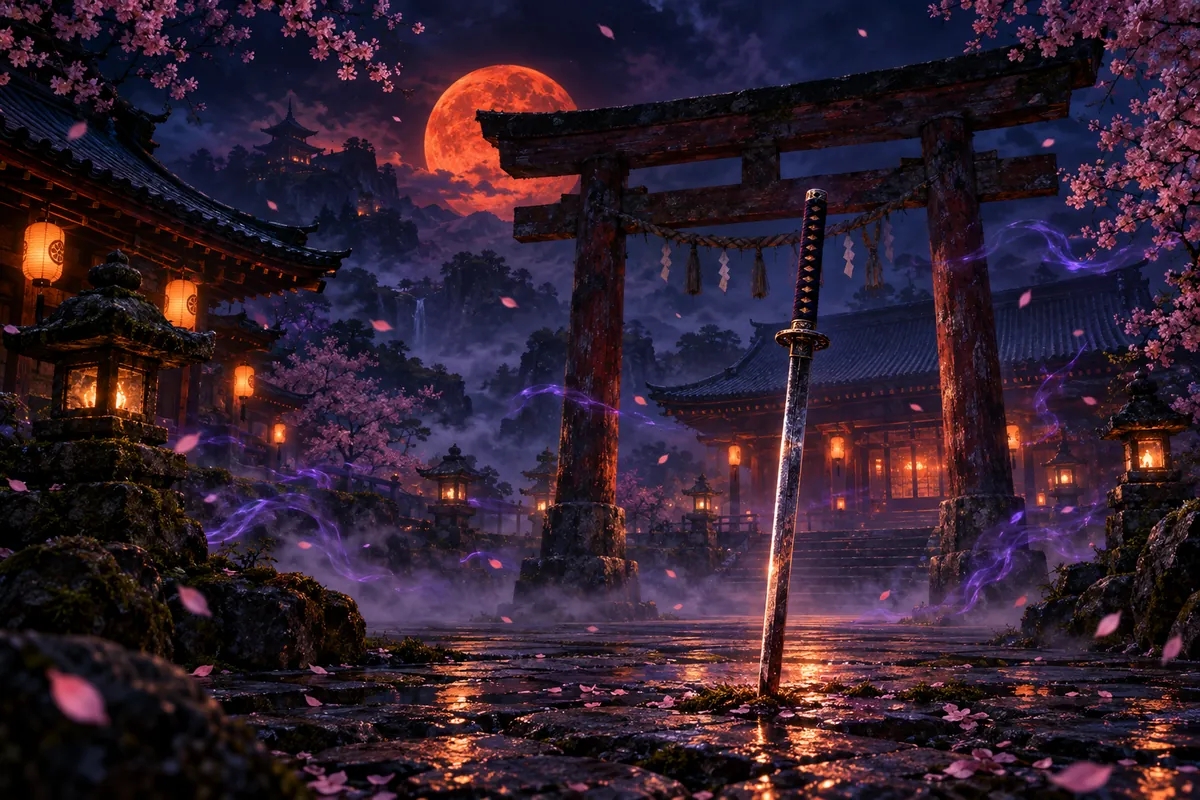
Visually, the world creation and color palette strike a fascinating balance between grim feudal realism and surreal, horror-tinged artistry. Whenever the demonic influence of the Genma warps the environment, the art direction truly shines. A standout sequence for me was stepping into the Kaguya theater trap, a segment dripping with an eerie, unsettling atmosphere where theatrical pageantry twists into something deeply macabre. Moments like that showcase just how creative the world design can be.
Equally refreshing is the game’s sense of restraint when it comes to length. In an era where too many action RPGs pad their runtimes to 60 or 80 hours with exhausting bloat, Onimusha: Way of the Sword is neither overly long nor bogged down by heavy, convoluted systems. It respects your time, delivering a well-balanced campaign that hits its narrative and mechanical highs without ever overstaying its welcome.
Final thoughts
As a complete newcomer to the Onimusha universe, Way of the Sword was a fantastic surprise. Between its clever supernatural spin on Musashi and Ganryu, its hauntingly artistic set pieces, and a timing-based combat system that makes every well-executed combo feel incredible, it’s an easy recommendation for any PS5 action fan.
What I loved
- Captivating historical twist: brings the legendary rivalry of Miyamoto Musashi and Ganryu to life in a dark, supernatural Edo setting.
- Rewarding, precision combat: timing-based parries, deflections, and Issen finishers deliver slick animations and an unmatched samurai power fantasy.
- Memorable world & pacing: eerie set pieces like the Kaguya theater trap shine alongside a tight, well-balanced runtime that never feels bloated.